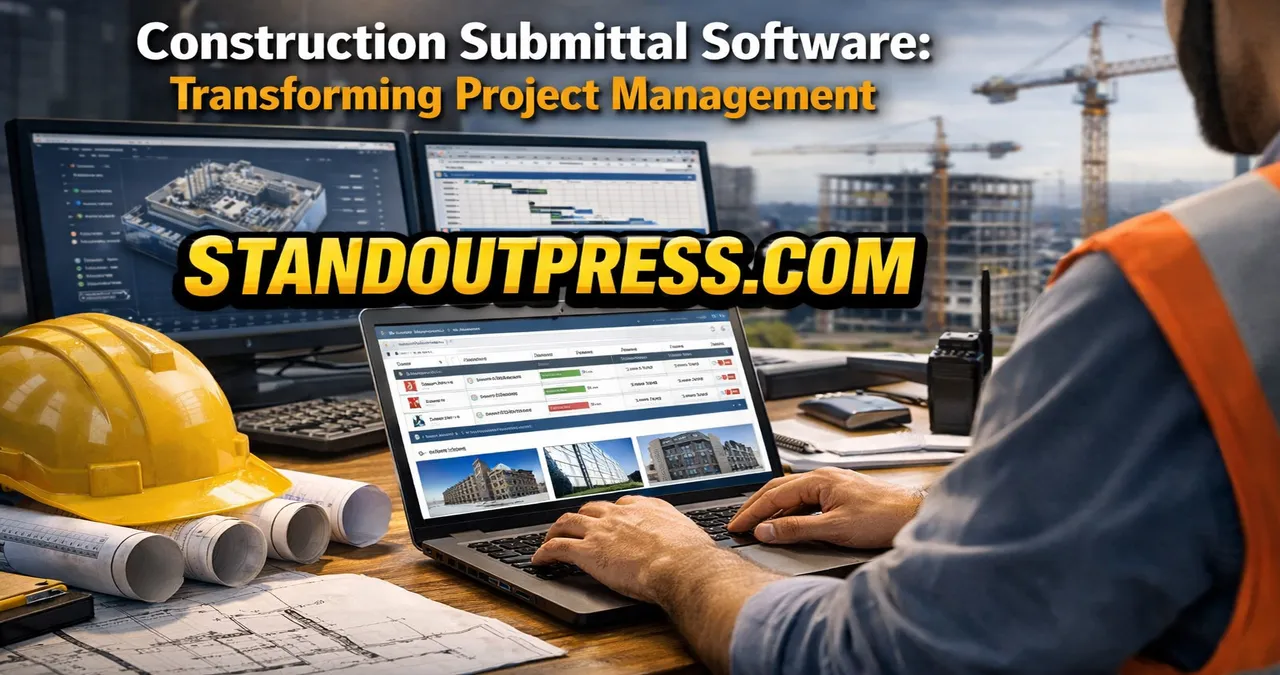
Streamline your project approvals and collaboration with construction submittal software. Learn how it simplifies submittals, saves time, and improves construction management efficiency.
Managing construction projects has never been an easy task. Between coordinating multiple teams, handling massive paperwork, and keeping track of approvals, a lot can go wrong. This is where construction submittal software comes into play. Designed to streamline the submittal process, this software ensures that project managers, contractors, and clients remain on the same page throughout the construction lifecycle.
Construction submittal software is more than just a digital filing cabinet. It provides a centralized platform where project documents, drawings, and approvals can be submitted, tracked, and reviewed. This eliminates miscommunication, reduces delays, and ensures accountability at every step of the project. By adopting this software, construction firms can move toward a more organized, efficient, and transparent workflow.
What is Construction Submittal Software?
Construction submittal software is a specialized tool used to manage project submittals in the construction industry. Submittals include critical project documents such as drawings, product data, material samples, and equipment manuals that need approval before work can proceed.
Traditionally, managing submittals involved heaps of paperwork, emails, and manual tracking. This often led to misplaced documents, delayed approvals, and errors. Construction submittal software automates these processes, providing a digital system to submit, review, approve, and store all project-related documents. The software acts as a single source of truth, ensuring every stakeholder has access to accurate and up-to-date information.
By leveraging this software, construction teams can reduce administrative tasks, enhance collaboration, and maintain compliance with project specifications. It bridges the gap between design, engineering, and construction, ensuring that projects move forward smoothly and on time.
Key Features of Construction Submittal Software
A robust construction submittal software solution comes with a variety of features designed to improve efficiency and accountability in construction projects. Some of the most important features include:
Centralized Document Management
A centralized platform allows project teams to store, organize, and access submittals from anywhere. Users can quickly find documents, track revisions, and manage approvals without digging through countless emails or folders.
This feature ensures that everyone is working with the latest information, reducing errors and improving project coordination. Contractors, architects, and engineers can collaborate in real time, making the entire submittal process seamless and transparent.
Automated Workflow and Notifications
Automation is one of the biggest advantages of construction submittal software. Automatic notifications remind team members of pending approvals, deadlines, and revisions.
This reduces the chances of delays caused by overlooked tasks or miscommunication. Project managers can customize workflows according to project needs, ensuring that approvals follow a structured process and nothing falls through the cracks.
Integration with Other Construction Tools
Many construction submittal software platforms integrate with project management tools, BIM software, and scheduling applications. This integration ensures that all project information is connected, making it easier to monitor progress, allocate resources, and track compliance.
Integration also reduces the need for manual data entry, saving time and minimizing errors. By connecting multiple systems, teams can have a holistic view of the project, improving decision-making and accountability.
Secure Access and Compliance
Construction projects involve sensitive information, and ensuring data security is crucial. Submittal software provides controlled access, ensuring that only authorized personnel can view or edit documents.
Additionally, the software can help maintain compliance with industry standards and contract requirements. Every submittal, comment, and approval is logged, creating an auditable trail that protects both the contractor and client.
Benefits of Using Construction Submittal Software
Implementing construction submittal software offers several benefits that directly impact project efficiency and cost-effectiveness.
Improved Collaboration and Communication
One of the primary benefits is enhanced collaboration. Architects, engineers, and contractors can communicate directly within the software, reducing misunderstandings and clarifying expectations.
Real-time updates and instant notifications keep everyone on the same page. This collaborative environment ensures that all team members are aware of project changes, revisions, and approvals.
Time and Cost Savings
Manual submittal management can be time-consuming, leading to delays and increased labor costs. By automating the submission and approval process, construction submittal software reduces administrative overhead.
Faster approvals mean that projects can progress without unnecessary hold-ups. Reduced delays and fewer errors directly translate into cost savings and improved project timelines.
Better Accountability and Traceability
Every action in the software is tracked and logged. This includes who submitted a document, who reviewed it, and when it was approved or rejected.
Such traceability ensures accountability and minimizes disputes. Project managers can quickly identify bottlenecks and take corrective action, preventing minor issues from becoming major problems.
Enhanced Project Visibility
Construction submittal software provides dashboards and reporting tools that give a clear overview of project progress. Managers can monitor pending approvals, review cycles, and document status at a glance.
This visibility allows for proactive management, helping teams address potential delays before they impact the project schedule.
Types of Construction Submittal Software
There are several types of construction submittal software, each catering to different project needs and organizational requirements.
Cloud-Based Software
Cloud-based submittal software allows teams to access project documents from anywhere. All files are stored on secure servers, and updates are synchronized in real time.
This flexibility is ideal for construction projects with multiple teams working on different sites. Cloud-based solutions eliminate the need for physical paperwork and improve collaboration across geographically dispersed teams.
On-Premise Software
On-premise software is installed on local servers within the organization. While it requires a higher initial investment, it provides full control over data security and customization.
Organizations with strict IT policies or sensitive project data often prefer on-premise solutions. These systems can be tailored to meet specific workflow requirements and integrate seamlessly with existing infrastructure.
Integrated Project Management Suites
Some construction management platforms include submittal management as part of a broader suite of tools. These integrated solutions offer project scheduling, cost tracking, and resource management alongside submittal tracking.
Using an all-in-one platform reduces the need for multiple software solutions, streamlines workflows, and ensures that all project data is interconnected.
How Construction Submittal Software Improves Workflow
The workflow in construction projects can be complex, involving multiple teams and layers of approvals. Construction submittal software simplifies this workflow by:
- Centralizing Submittals: All documents are stored in one place, making it easy to access and manage them.
- Automating Approvals: Notifications and automatic routing ensure that submittals reach the right person for approval promptly.
- Tracking Revisions: Changes are logged, and previous versions are accessible, ensuring that everyone works with the latest information.
- Providing Transparency: Dashboards and reporting tools give managers a clear view of the entire submittal process.
By improving workflow efficiency, the software reduces delays, enhances communication, and ensures that projects stay on schedule.
Choosing the Right Construction Submittal Software
Selecting the right software depends on several factors:
Scalability
The software should be able to handle projects of different sizes, from small renovations to large-scale commercial developments. Scalability ensures that the system grows with your organization’s needs.
User-Friendliness
A complex system that is difficult to use can slow down adoption. Look for software with an intuitive interface, simple navigation, and minimal learning curve.
Integration Capabilities
Choose software that can integrate with your existing project management, accounting, and scheduling tools. Integration reduces duplication of work and ensures that all project data is interconnected.
Customer Support and Training
Reliable customer support and training resources are essential. Software vendors should offer tutorials, webinars, and technical support to help your team get the most out of the system.
Challenges in Implementing Construction Submittal Software
While the benefits are significant, implementing construction submittal software comes with challenges:
- Resistance to Change: Teams accustomed to traditional workflows may resist adopting new technology.
- Data Migration: Transferring existing documents to the new system can be time-consuming.
- Cost: Initial investment and subscription fees may be a concern for small firms.
- Customization Needs: Some software may require extensive customization to fit unique project workflows.
These challenges can be overcome with proper planning, training, and phased implementation.
Table: Comparison of Popular Construction Submittal Software
| Feature | Software A | Software B | Software C |
|---|---|---|---|
| Cloud-Based | Yes | Yes | No |
| Workflow Automation | High | Medium | High |
| Integration Options | Extensive | Limited | Moderate |
| Reporting & Dashboards | Advanced | Basic | Advanced |
| Security & Compliance | High | Medium | High |
Expert Tips for Maximizing Software Benefits
- Train your team thoroughly before implementation.
- Keep document naming conventions consistent.
- Regularly audit submittal workflows for bottlenecks.
- Leverage dashboards for proactive decision-making.
- Encourage collaboration within the platform to reduce emails and miscommunication.
“Construction submittal software is not just a tool; it’s a culture shift that turns chaotic workflows into streamlined success.”
FAQs
What is the main purpose of construction submittal software?
Construction submittal software is designed to streamline the submission, review, and approval of project documents. It ensures accuracy, improves collaboration, and reduces delays in construction projects.
Can construction submittal software be used for small projects?
Yes, most software solutions are scalable and can handle projects of all sizes. Cloud-based options are particularly flexible for small firms.
Is it necessary to integrate submittal software with other tools?
Integration is highly beneficial as it ensures all project data is connected, reducing duplication and errors. However, standalone software can also work efficiently.
How secure is construction submittal software?
Most modern platforms offer encrypted storage, controlled access, and audit trails to ensure data security and compliance.
Does it improve project timelines?
Absolutely. By automating approvals, tracking revisions, and providing real-time updates, submittal software helps projects stay on schedule.
Conclusion
Construction submittal software has revolutionized how projects are managed. It streamlines approvals, enhances collaboration, improves accountability, and saves both time and money. For construction firms looking to boost efficiency and reduce errors, adopting submittal software is no longer optional—it’s essential. With the right system in place, teams can focus more on building and less on managing paperwork.