
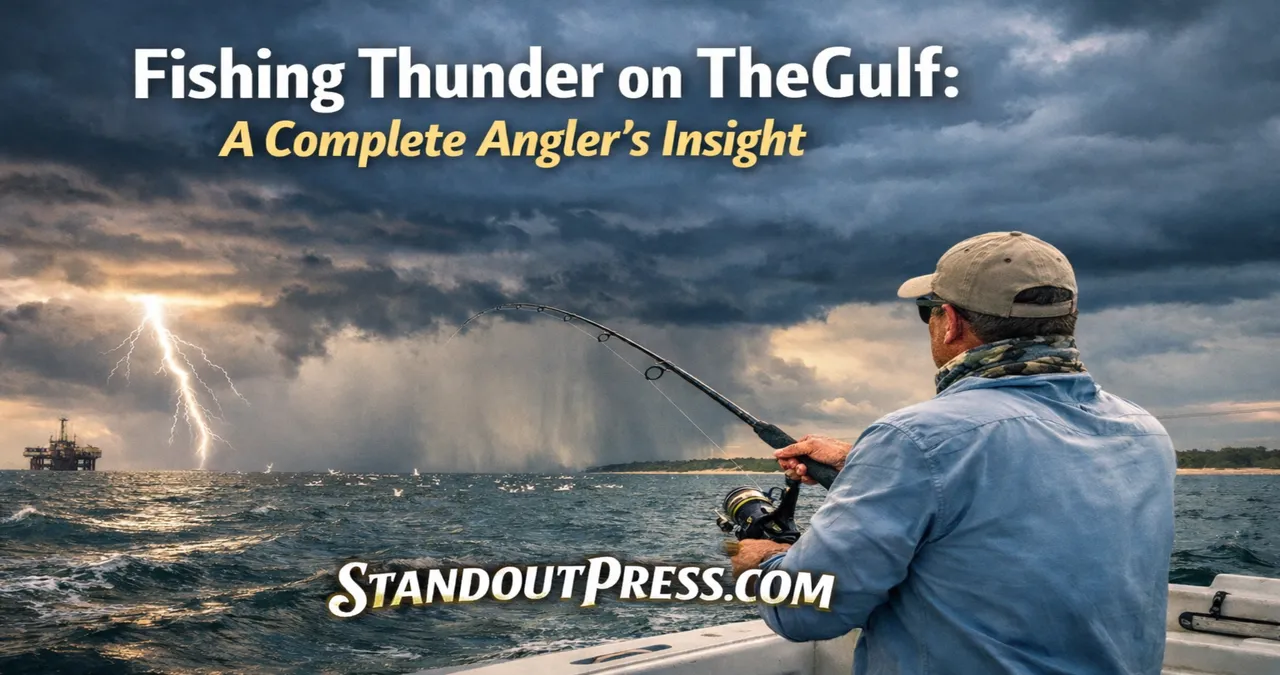
Discover fishing thunder on TheGulf with expert insight into weather patterns, fish behavior, safety awareness, and smart coastal strategies for anglers seeking consistent and responsible success.
Fishing Thunder on TheGulf is more than just a phrase for anglers who understand coastal waters deeply. It represents a powerful mix of weather awareness, fishing instinct, and regional knowledge that separates casual fishers from true Gulf experts. The Gulf region offers rich biodiversity, shifting tides, and dramatic weather patterns that directly influence fish behavior. Understanding how thunder, pressure changes, and Gulf conditions interact can completely change fishing outcomes.
For experienced anglers, fishing thunder on TheGulf is about reading the water like a language. Storm systems, distant thunder, cloud formations, and wind shifts all send signals underwater. Fish respond to these changes in predictable but often misunderstood ways. When anglers learn how to interpret these signs, fishing becomes less about luck and more about timing and precision.
Fishing thunder on TheGulf also reflects respect for the environment. It requires awareness, safety discipline, and an understanding that the Gulf can be both generous and unforgiving. This article explores the science, tradition, techniques, and mindset behind fishing thunder on TheGulf so you can fish smarter, safer, and more successfully.
Understanding the Meaning of Fishing Thunder on TheGulf
Fishing thunder on TheGulf refers to fishing during or around atmospheric changes associated with storm activity in the Gulf region. Thunder is not simply noise in the sky. It signals shifts in barometric pressure, water oxygen levels, and current behavior. These changes often trigger feeding activity in certain species while pushing others into deeper or protected zones.
The Gulf’s vast size means storms do not behave uniformly. Thunder heard offshore can indicate pressure drops long before rain arrives. Fish sense these changes through their lateral lines, reacting earlier than humans can observe. This is why anglers who understand fishing thunder on TheGulf often experience short but intense feeding windows.
Culturally, fishing thunder on TheGulf has been passed down through generations. Old Gulf fishermen spoke about “listening to the water” and watching birds before storms. Modern anglers now combine this wisdom with weather tools and sonar, but the foundation remains the same. Thunder is information, not just danger.
How Gulf Weather Shapes Fishing Behavior
The Gulf environment is defined by warm waters, strong currents, and sudden weather shifts. Thunderstorms form quickly and move unpredictably. These conditions affect surface temperatures, salinity, and oxygen distribution. Fish respond immediately, making timing critical for anglers practicing fishing thunder on TheGulf.
As pressure drops before storms, many species become aggressive feeders. Baitfish move closer to the surface, and predators follow. This creates opportunities for explosive action near reefs, passes, and shorelines. After storms pass, fishing often slows as fish retreat to recover and stabilize.
Understanding these cycles allows anglers to plan trips more effectively. Fishing thunder on TheGulf is not about chasing storms but positioning yourself ahead of atmospheric changes. The best anglers study weather patterns days in advance and adjust techniques based on wind direction, cloud cover, and thunder distance.
Safety Awareness While Fishing Thunder on TheGulf
Safety is non-negotiable when discussing fishing thunder on TheGulf. Thunder signals lightning risk, and the open water offers little protection. Experienced anglers never ignore safety in pursuit of better catches. Knowing when to fish and when to leave is a defining skill.
Before storms, fishing can be productive, but once thunder becomes close or persistent, leaving the water is essential. The Gulf’s flat horizon can make storms appear farther away than they are. Many accidents occur when anglers underestimate storm speed.
Proper safety planning includes checking marine forecasts, monitoring radio updates, and having clear exit strategies. Fishing thunder on TheGulf rewards preparedness, not recklessness. Respecting the Gulf ensures that every trip ends safely.
Fish Species Commonly Affected by Thunder Conditions
Different species react differently to thunder and pressure changes. Understanding these reactions helps anglers choose the right approach. In fishing thunder on TheGulf, timing and species selection are closely linked.
Predatory species often become active before storms. They take advantage of disoriented baitfish and changing currents. Bottom dwellers may move to structure or deeper water as conditions shift. Knowing these tendencies prevents wasted effort.
Seasonal patterns also matter. During warmer months, storms have stronger effects on surface feeding. In cooler periods, reactions may be slower and more subtle. Fishing thunder on TheGulf requires adapting strategies throughout the year.
Tackle and Gear Choices for Thunder Conditions
Choosing the right gear is critical for fishing thunder on TheGulf. Storm-influenced fishing often means fast action and strong fish. Rods should offer sensitivity without sacrificing backbone, allowing anglers to feel subtle bites during pressure changes.
Line selection matters as well. Visibility can decrease during storms, so abrasion resistance becomes more important than clarity. Reels must handle sudden runs and unpredictable strikes that occur when fish feed aggressively.
Prepared anglers keep gear organized and ready. Storm windows can be short, and fumbling with equipment wastes valuable time. Fishing thunder on TheGulf rewards efficiency and readiness.
Boat Positioning and Shore Strategies
Positioning is everything when fishing thunder on TheGulf. Wind shifts and current changes can move bait rapidly. Boats must be positioned to drift naturally while maintaining control. Anchoring near structure before storms often produces strong results.
Shore anglers also benefit from thunder conditions. Fish may push closer to shore as pressure drops. Piers, jetties, and passes become productive zones when approached safely and strategically.
Understanding how water moves during storms separates average anglers from skilled ones. Fishing thunder on TheGulf is about anticipating movement rather than reacting too late.
Traditional Knowledge Meets Modern Techniques
Fishing thunder on TheGulf blends tradition and technology. Older fishermen relied on instinct, bird activity, and cloud behavior. Modern anglers use radar, apps, and sonar to enhance these observations.
Technology should support, not replace, awareness. Thunder heard offshore may not appear on radar immediately. Combining sensory observation with data creates the best outcomes.
This balance defines expert fishing thunder on TheGulf. Respecting tradition while embracing innovation leads to consistent success.
Environmental Impact and Responsible Fishing
Fishing thunder on TheGulf comes with responsibility. Storms can stress ecosystems, and overfishing during vulnerable periods can cause long-term harm. Ethical anglers practice restraint and follow regulations.
Catch handling becomes even more important during storm conditions. Fish may already be stressed, and proper release techniques protect populations. Responsible fishing ensures the Gulf remains productive for future generations.
Fishing thunder on TheGulf is not just about catching more fish. It is about preserving the environment that makes these experiences possible.
Planning a Successful Thunder-Based Fishing Trip
Preparation defines success in fishing thunder on TheGulf. Studying weather trends, tides, and seasonal behavior sets realistic expectations. Planning flexible schedules allows anglers to capitalize on short windows of activity.
Communication is also key. Fishing with partners requires clear plans and shared safety priorities. Everyone should understand exit signals and emergency procedures.
Well-planned trips reduce risk and increase enjoyment. Fishing thunder on TheGulf should feel controlled, not chaotic.
Common Mistakes Anglers Make
Many anglers misunderstand fishing thunder on TheGulf. Some assume storms automatically mean better fishing, while others avoid thunder entirely. Both extremes miss the nuance.
Fishing too close to active storms is dangerous. Fishing without understanding pressure effects is inefficient. Successful anglers find the balance between opportunity and caution.
Learning from mistakes is part of growth. Each trip adds insight into how thunder influences Gulf waters.
Table Showing Thunder Influence on Fishing Conditions
| Weather Signal | Fish Response | Angler Strategy |
|---|---|---|
| Distant thunder | Increased feeding | Prepare and position |
| Pressure drop | Aggressive strikes | Use active presentations |
| Wind shift | Bait movement | Adjust location |
| Storm passing | Reduced activity | Slow techniques |
Expert Insight
“Thunder doesn’t scare fish, but it tells them something is changing. If you listen closely, the Gulf tells you when to cast and when to go home.”
Frequently Asked Questions
What does fishing thunder on TheGulf really mean
Fishing thunder on TheGulf means understanding how storm-related weather changes influence fish behavior in Gulf waters and using that knowledge to fish more effectively and safely.
Is it safe to fish when thunder is present
Fishing before storms can be productive, but active thunder nearby is dangerous. Safety should always come before fishing success.
Do all fish react the same way to thunder
No, different species respond differently. Predators often become active, while others seek shelter or deeper water.
Can beginners practice fishing thunder on TheGulf
Beginners should learn under experienced guidance and prioritize safety. Understanding weather comes with time and experience.
Does fishing thunder on TheGulf work year round
Yes, but responses vary by season. Weather intensity and fish behavior change throughout the year.
Conclusion
Fishing thunder on TheGulf is a skill built on awareness, respect, and experience. It combines environmental understanding with fishing technique to create powerful opportunities when done responsibly. By learning to read weather signals, prioritize safety, and adapt strategies, anglers can unlock a deeper connection with Gulf waters. When practiced correctly, fishing thunder on TheGulf becomes not just productive, but profoundly rewarding.