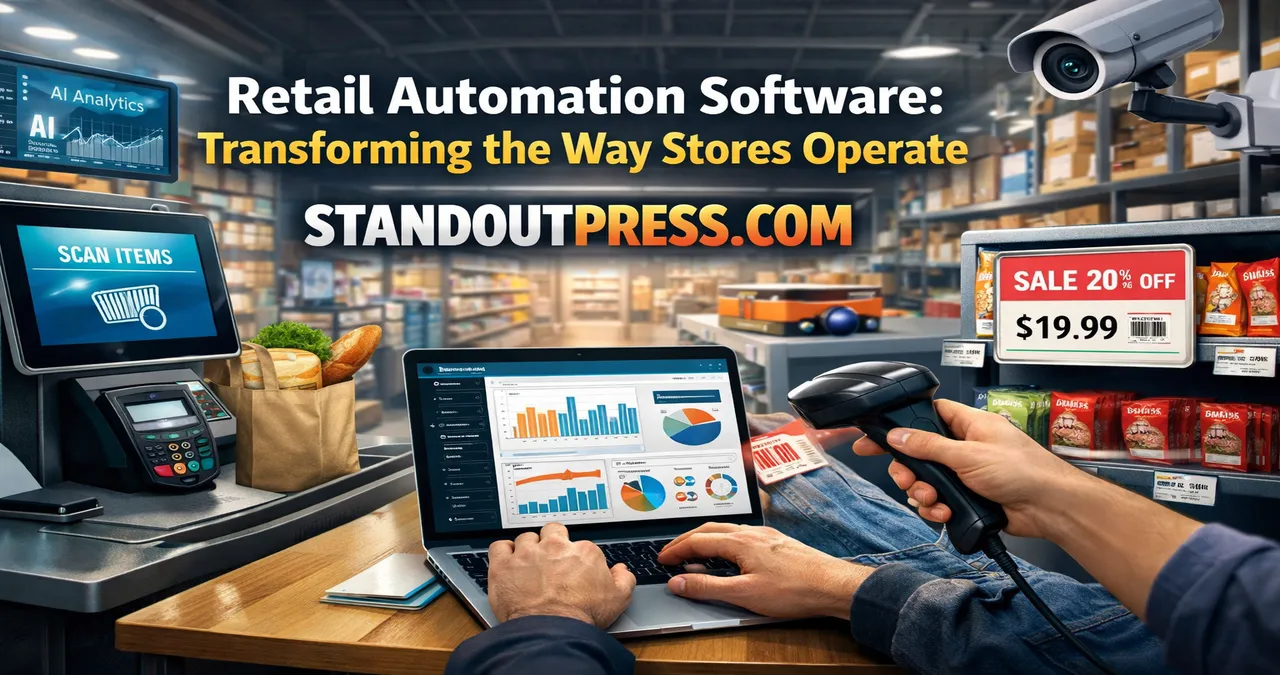
Discover how retail automation software can transform your business, streamline operations, and boost efficiency with smart tools for modern retail management.
Retail has evolved dramatically over the last decade. The rise of technology, changing customer expectations, and increasing competition have pushed retailers to find smarter ways to manage operations. This is where retail automation software comes into play. It isn’t just about replacing humans with machines; it’s about creating seamless, efficient processes that make businesses smarter, faster, and more customer-friendly.
Retail automation software integrates multiple functions—inventory management, sales tracking, customer engagement, and even employee scheduling—into one cohesive system. For modern businesses, it’s no longer optional; it’s a necessity to stay competitive. By automating routine tasks, retailers can focus on what truly matters: delivering excellent customer experiences and growing their business.
Automation in retail doesn’t just reduce errors; it also provides insights that help businesses make data-driven decisions. For instance, predictive analytics in retail software can forecast demand trends, allowing stores to stock the right products at the right time. This reduces waste, increases revenue, and improves overall operational efficiency.
What is Retail Automation Software?
At its core, retail automation software is a technological solution designed to streamline the many complex processes involved in running a retail business. From point-of-sale operations to inventory management and customer loyalty programs, this software helps retailers manage everything efficiently without relying solely on manual effort.
Unlike traditional software that performs a single function, retail automation software integrates multiple tasks into a single platform. This integration eliminates the need for multiple applications, reducing errors, saving time, and ensuring that business decisions are informed by real-time data.
For example, a store using retail automation software can automatically track inventory levels, generate purchase orders, and update sales records as transactions happen. This ensures that shelves are stocked appropriately, staff workloads are balanced, and customer satisfaction remains high.
Benefits of Retail Automation Software
Increased Efficiency
Retail automation software reduces the time employees spend on repetitive tasks. Activities like stock counting, price updates, and sales reporting that once took hours can now be completed in minutes. This efficiency allows staff to focus on more critical tasks, such as engaging with customers and improving the in-store experience.
Moreover, automated workflows minimize human errors. For example, manual data entry can lead to miscounts or incorrect pricing, which negatively impacts both profits and customer trust. By automating these processes, retailers can maintain accuracy and operational consistency.
Enhanced Customer Experience
Customer expectations are higher than ever. Shoppers want fast service, personalized recommendations, and a smooth checkout experience. Retail automation software allows businesses to meet these demands. Automated systems can track customer behavior, suggest products, and even manage loyalty programs to ensure personalized experiences.
Additionally, faster checkout processes reduce wait times, improving customer satisfaction. Automated inventory tracking ensures popular items are always in stock, preventing frustration and lost sales. In essence, automation helps businesses delight their customers consistently.
Cost Savings
Implementing retail automation software may seem like a significant investment initially, but it often results in substantial cost savings over time. Reducing manual labor, preventing stock wastage, and optimizing supply chains all contribute to higher profitability.
For example, automated inventory systems reduce overstocking and understocking, which directly saves money and increases sales. Similarly, automation minimizes human errors, reducing costly mistakes that can negatively impact a business’s bottom line.
Key Features of Retail Automation Software
Inventory Management
Effective inventory management is at the heart of retail success. Retail automation software provides real-time tracking, helping businesses maintain optimal stock levels. Features like automatic reorder alerts, barcode scanning, and stock auditing save time and prevent revenue loss from stockouts.
Sales and POS Integration
Retail automation software seamlessly integrates with point-of-sale systems to track sales in real-time. This integration provides instant insights into top-selling products, slow movers, and overall sales trends, enabling retailers to make informed decisions about promotions, pricing, and stocking strategies.
Customer Relationship Management (CRM)
Understanding customers is key to driving loyalty. Retail automation software often includes CRM tools to manage customer data, track purchase history, and send personalized offers. Automated customer segmentation allows businesses to target the right audience with the right promotions.
Employee Management
Modern retail automation software also helps manage staff schedules, track productivity, and even streamline payroll processes. This ensures that labor costs are optimized while maintaining adequate staffing levels for peak periods.
How Retail Automation Software Improves Inventory Accuracy
Inventory inaccuracies are one of the biggest challenges in retail. Missing stock, overstocking, and incorrect pricing can lead to lost revenue and unhappy customers. Retail automation software addresses these issues with precise, real-time tracking.
With barcode scanners, RFID tags, and automated stock updates, businesses can maintain near-perfect inventory accuracy. Additionally, predictive analytics allows retailers to anticipate demand fluctuations and adjust stock levels proactively. This ensures shelves are always stocked with the right products, improving sales and customer satisfaction.
The Role of Artificial Intelligence in Retail Automation
Artificial Intelligence (AI) is transforming retail automation software by adding predictive capabilities. AI can analyze historical sales data, customer preferences, and market trends to forecast demand accurately.
For instance, AI-driven software can suggest optimal pricing strategies, personalized product recommendations, and even detect potential stock shortages before they occur. This level of insight was impossible with traditional manual systems, giving retailers a competitive edge in a fast-paced market.
Common Challenges in Implementing Retail Automation
While retail automation software offers numerous benefits, implementation is not without challenges. One common hurdle is employee adaptation. Staff may resist change or struggle to learn new systems. Businesses must invest in training and create a supportive transition plan.
Another challenge is integration. Legacy systems may not always integrate seamlessly with new automation software. Choosing software that is compatible with existing systems or opting for a cloud-based solution can minimize these issues.
Choosing the Right Retail Automation Software
Selecting the right software depends on your business size, needs, and budget. Small retailers may benefit from simple, cloud-based solutions that handle inventory, sales, and CRM. Larger enterprises may require advanced features like AI analytics, omnichannel integration, and employee management modules.
When evaluating software, consider scalability, ease of use, customer support, and integration capabilities. Reading reviews, requesting demos, and consulting with IT professionals can help you make an informed decision.
Case Study: Retail Automation in Action
Imagine a mid-sized clothing store struggling with inventory issues and long checkout lines. After implementing retail automation software, the store saw a dramatic improvement. Inventory levels were automatically monitored, restock alerts were generated, and sales were tracked in real-time.
Customers experienced faster checkout times and personalized recommendations based on their purchase history. The store also reduced labor costs and minimized stock wastage. This case highlights how automation can transform both operational efficiency and customer satisfaction.
Future Trends in Retail Automation Software
The future of retail automation looks exciting. We can expect greater adoption of AI, machine learning, and IoT devices to create smart stores. Automated checkout systems, intelligent shelves, and predictive analytics will become standard features.
Additionally, cloud-based solutions will continue to dominate, offering flexibility, real-time insights, and easy integration with other business tools. Retailers who adopt these technologies early will gain a significant competitive advantage.
Table: Benefits vs Features of Retail Automation Software
| Benefits | Features |
|---|---|
| Increased efficiency | Inventory management |
| Cost savings | Point-of-sale integration |
| Improved customer experience | CRM and loyalty programs |
| Better decision-making | Analytics and reporting |
| Employee productivity | Scheduling and payroll management |
Expert Quotes
“Retail automation software is no longer a luxury; it’s a necessity for any retailer looking to compete in today’s fast-paced market.” – Retail Technology Expert
“Automation empowers employees to focus on customer experience while machines handle repetitive tasks, creating a more efficient and profitable operation.” – Business Consultant
FAQs About Retail Automation Software
What is retail automation software?
Retail automation software is a technological solution that automates and streamlines various retail operations, including inventory management, sales tracking, customer engagement, and employee management.
Why is retail automation important?
It increases efficiency, reduces errors, saves costs, and enhances the customer experience, allowing businesses to operate smarter and more competitively.
Can small retailers benefit from retail automation software?
Absolutely. Even small stores can streamline operations, manage inventory, and track sales efficiently using cloud-based automation solutions.
Is retail automation software expensive?
Costs vary depending on features and business size, but the long-term benefits such as cost savings, improved accuracy, and increased sales usually outweigh initial investment.
Does retail automation replace employees?
No. It automates repetitive tasks, allowing employees to focus on strategic and customer-facing activities rather than replacing human staff.
Conclusion
Retail automation software is revolutionizing the way businesses operate. By streamlining processes, improving accuracy, and enhancing customer experiences, it empowers retailers to focus on growth and innovation. From small shops to large chains, adopting automation is no longer optional—it’s a strategic necessity for long-term success.