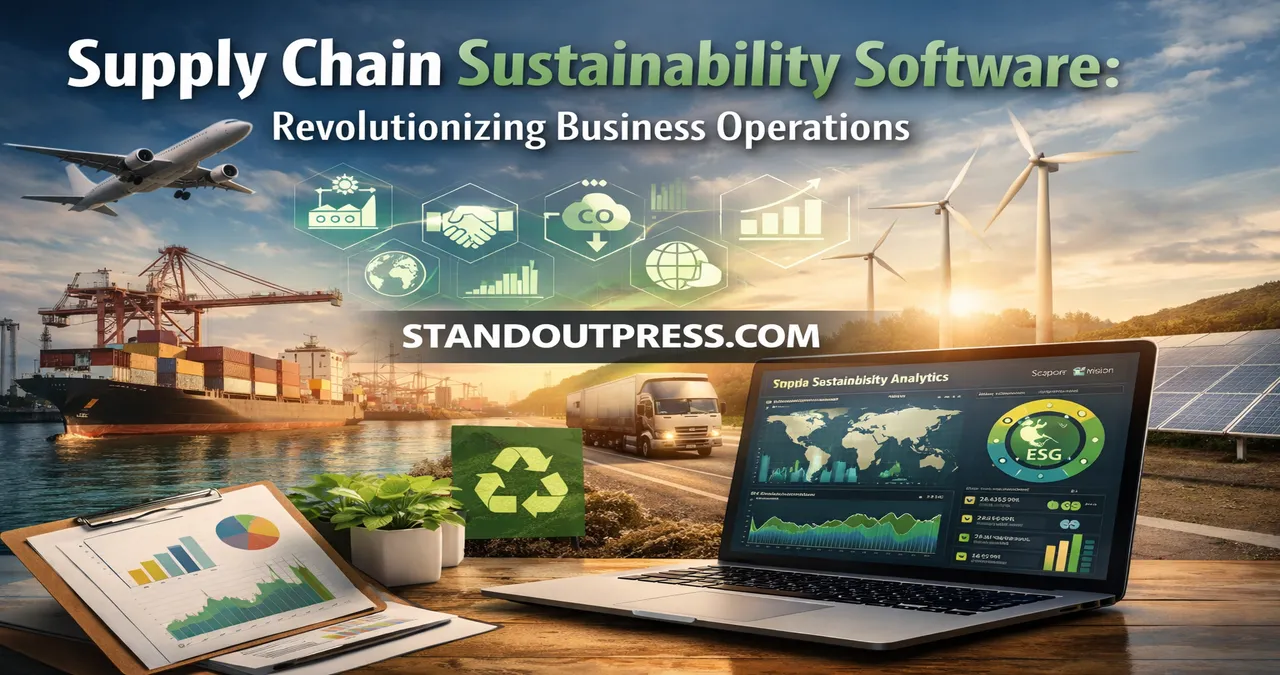
Enhance your business with supply chain sustainability software that boosts efficiency, reduces waste, and promotes eco-friendly practices across the entire supply chain ecosystem.
In today’s business environment, sustainability is no longer an optional strategy—it’s a necessity. Companies are increasingly scrutinized for their environmental impact, and customers demand transparency in every stage of the supply chain. This is where supply chain sustainability software comes into play, helping businesses not only meet compliance standards but also improve operational efficiency and brand reputation.
Supply chain sustainability software provides the tools to monitor, analyze, and optimize every part of a supply chain. It ensures that businesses can reduce waste, lower carbon emissions, and make smarter decisions without sacrificing efficiency or profitability. From sourcing raw materials responsibly to monitoring transportation emissions, these platforms are redefining how companies approach sustainability.
Understanding Supply Chain Sustainability Software
Supply chain sustainability software is designed to integrate environmental, social, and governance (ESG) criteria into supply chain operations. At its core, it tracks the flow of goods and services while measuring sustainability metrics. This technology helps companies visualize the environmental impact of their sourcing, production, and logistics.
Beyond environmental metrics, this software often includes features like compliance monitoring, supplier risk assessments, and real-time reporting. Businesses can use this information to make proactive decisions, reducing risk while enhancing social responsibility. As sustainability becomes a key differentiator, companies using these tools are more likely to build trust with customers and partners.
Key Features of Supply Chain Sustainability Software
One of the primary reasons businesses adopt this software is its robust feature set. Most platforms include data tracking, analytics dashboards, supplier engagement tools, and reporting modules. These features allow businesses to monitor key performance indicators such as carbon footprint, energy consumption, and waste generation across the supply chain.
Another vital feature is the ability to identify and mitigate risks. For example, software can flag suppliers with unsustainable practices, helping companies make informed decisions before committing to contracts. It also provides predictive insights, so businesses can forecast potential supply chain disruptions and adjust strategies accordingly.
Benefits of Using Supply Chain Sustainability Software
Implementing supply chain sustainability software brings multiple benefits. First, it allows organizations to optimize operations while reducing environmental impact. Businesses can streamline logistics, reduce unnecessary transportation, and manage inventory efficiently, which ultimately saves money.
Second, this software enhances transparency and strengthens stakeholder trust. Customers, investors, and regulatory bodies increasingly expect detailed reporting on sustainability efforts. With this software, businesses can easily demonstrate compliance and ethical sourcing practices, improving brand credibility and customer loyalty.
How Supply Chain Sustainability Software Supports ESG Goals
Environmental, Social, and Governance goals are at the heart of modern corporate strategy. Supply chain sustainability software helps businesses align with these goals by tracking sustainability metrics and enabling better decision-making.
From an environmental standpoint, companies can monitor energy usage, waste production, and emissions. Socially, they can ensure fair labor practices and supplier accountability. Governance features help companies comply with local and international regulations, avoiding fines or reputational damage. Ultimately, the software creates a measurable roadmap toward achieving ESG objectives efficiently.
Implementation Challenges and How to Overcome Them
While the benefits are clear, implementing supply chain sustainability software is not without challenges. One common issue is data integration. Many businesses have multiple systems, and consolidating this data into a single platform can be difficult.
Another challenge is employee adoption. Teams may resist new technology, especially if they are accustomed to manual processes. Overcoming this requires training programs, clear communication of benefits, and involving employees in the implementation process. With proper planning, these challenges can be managed effectively, ensuring a smooth transition to sustainable supply chain practices.
Real-World Applications of Supply Chain Sustainability Software
Businesses across industries are leveraging sustainability software in innovative ways. For example, a retail company may use it to track supplier carbon emissions, helping them choose greener alternatives. Similarly, a manufacturing firm could analyze energy usage across plants to reduce operational costs and environmental impact.
Some companies are even using software to create sustainable product lines, identifying materials with lower environmental footprints. By embedding sustainability into every stage of the supply chain, these organizations not only reduce costs but also appeal to environmentally conscious consumers.
Metrics and KPIs Monitored by Sustainability Software
Supply chain sustainability software focuses on a variety of metrics and KPIs to measure performance. Common examples include carbon footprint, water usage, waste generation, energy consumption, and supplier compliance scores. These metrics provide actionable insights, enabling companies to take corrective measures when targets are not met.
The software also allows for benchmarking against industry standards. Companies can compare their sustainability performance to competitors, identifying areas for improvement. Over time, this continuous monitoring and reporting drive efficiency, reduce risk, and enhance overall sustainability.
Choosing the Right Supply Chain Sustainability Software
Selecting the ideal software depends on your business needs, size, and sustainability goals. Key factors to consider include ease of integration, scalability, data visualization capabilities, and vendor support. A platform that seamlessly integrates with existing ERP or logistics systems will minimize disruptions during implementation.
Another important consideration is customizability. Every business has unique supply chain processes and sustainability goals. Look for software that can be tailored to specific requirements, allowing you to track the metrics that matter most. Consulting with industry experts or other users can also provide valuable insights before making a final decision.
Future Trends in Supply Chain Sustainability Software
As technology advances, supply chain sustainability software is evolving rapidly. Artificial intelligence and machine learning are being integrated to predict supply chain risks, optimize routes, and identify inefficiencies automatically. Blockchain technology is also emerging, providing secure and transparent tracking of materials from source to delivery.
Sustainability reporting is becoming more sophisticated as stakeholders demand real-time insights and automated compliance reporting. Companies that adopt these cutting-edge features will have a competitive advantage, reducing costs, enhancing transparency, and building stronger relationships with partners and consumers.
Tips for Maximizing ROI with Supply Chain Sustainability Software
To get the most out of your investment, businesses should adopt a strategic approach. Start by defining clear sustainability goals, whether reducing carbon emissions, improving supplier compliance, or minimizing waste. Align these goals with KPIs that the software can track effectively.
Next, focus on employee training and engagement. Ensuring that your team understands how to use the software effectively will drive adoption and maximize benefits. Finally, regularly review analytics and reports to identify areas for improvement. Continuous optimization ensures that the software delivers both sustainability and financial value over the long term.
Case Studies: Businesses Excelling with Sustainability Software
Several companies are setting benchmarks with supply chain sustainability software. A global apparel brand reduced supplier-related carbon emissions by implementing monitoring software, while a logistics company optimized routes to cut fuel consumption significantly.
These case studies demonstrate that sustainability and profitability can go hand in hand. By leveraging the right tools, businesses can reduce environmental impact, enhance brand reputation, and achieve measurable operational savings simultaneously.
Table: Key Features vs. Benefits
| Feature | Benefit |
|---|---|
| Supplier Risk Assessment | Avoids unsustainable suppliers |
| Carbon Footprint Tracking | Reduces environmental impact |
| Real-Time Analytics | Improves decision-making |
| Compliance Monitoring | Ensures regulatory adherence |
| Waste and Energy Tracking | Optimizes resources and reduces costs |
| ESG Reporting | Enhances transparency and stakeholder trust |
Expert Quote
“Sustainability is no longer a side project—it’s central to modern business strategy. Supply chain sustainability software allows companies to be proactive, not reactive, in managing environmental and social impact.”
— Supply Chain Expert, Jane Williams
FAQs About Supply Chain Sustainability Software
What is supply chain sustainability software?
It is a platform that helps businesses monitor, analyze, and optimize supply chain operations with a focus on environmental, social, and governance objectives.
Why is it important for businesses?
It ensures compliance, reduces environmental impact, enhances transparency, and improves operational efficiency.
Can it save money?
Yes, by optimizing logistics, reducing waste, and improving energy efficiency, companies often see cost savings alongside sustainability benefits.
Is it difficult to implement?
Implementation can be challenging, but with proper planning, employee training, and system integration, the process can be smooth and highly beneficial.
Which industries benefit most?
While all industries benefit, retail, manufacturing, logistics, and consumer goods sectors gain significant advantages due to complex supply chains and sustainability regulations.
Conclusion
Supply chain sustainability software is transforming how businesses operate. It provides the insights and tools needed to reduce environmental impact, ensure compliance, and drive efficiency. Companies that adopt this technology not only improve their sustainability practices but also strengthen their brand reputation and profitability. Embracing supply chain sustainability software is not just a smart business move—it’s the future of responsible and competitive enterprise management.