
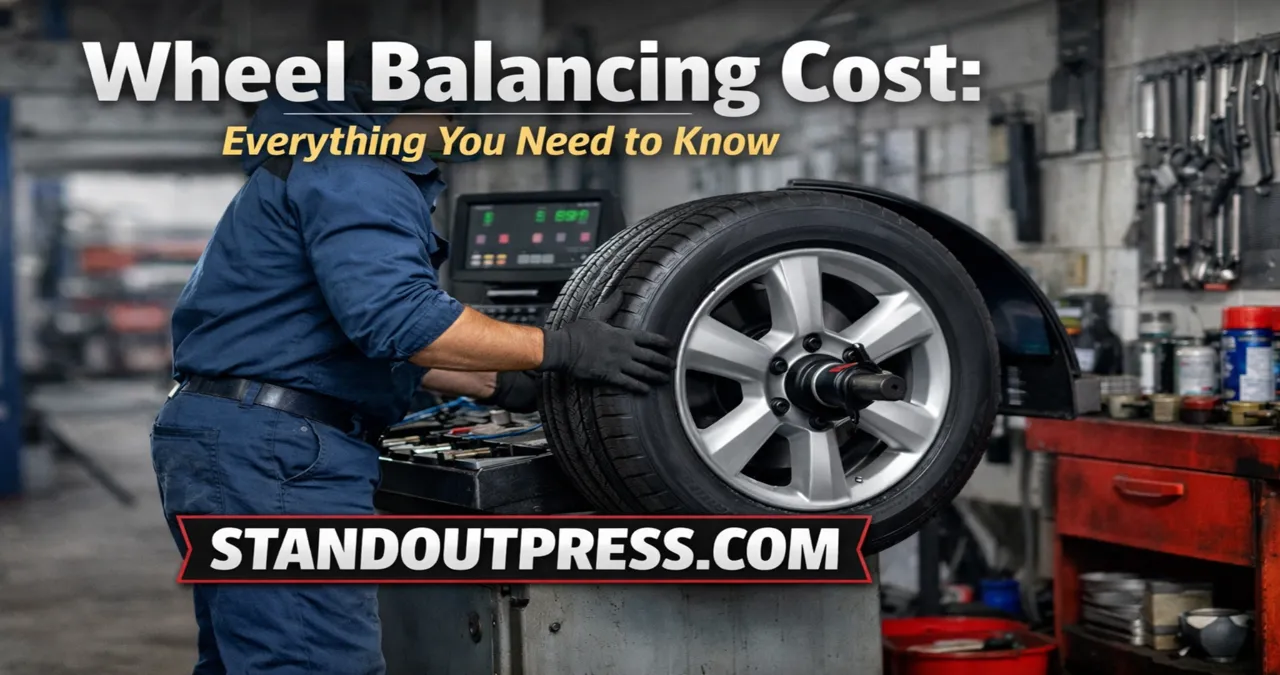
Discover how wheel balancing cost affects your car, why it’s essential, and tips to save money while maintaining smooth rides and tire longevity.
Understanding Wheel Balancing
Wheel balancing is one of those vehicle maintenance tasks that drivers often overlook. Yet, it is crucial for a smooth, safe, and efficient driving experience. Essentially, wheel balancing ensures that the weight of the wheel and tire is evenly distributed around the axle. When a wheel is not balanced, it can create vibrations that are felt through the steering wheel, floorboard, or seats.
Most people assume balancing is just about comfort, but it also has a direct impact on the longevity of tires and suspension components. Unbalanced wheels can lead to premature wear, reduce fuel efficiency, and even affect braking performance. Simply put, it is a small investment that can save you from major expenses down the line.
Professionals often use specialized machines to detect the uneven weight distribution and place tiny weights on the wheel to balance it perfectly. This precision ensures your vehicle maintains optimal handling and stability.
Why Wheel Balancing Matters
Driving with unbalanced wheels is not just uncomfortable—it can be unsafe. Every rotation of an unbalanced wheel generates vibrations that stress various parts of your vehicle. Over time, these vibrations can lead to tire cupping, uneven wear, and damage to suspension components such as shock absorbers, bushings, and bearings.
Moreover, unbalanced wheels can compromise braking efficiency. The vibration can cause your tires to lose consistent contact with the road, reducing traction and control. This risk is particularly high at highway speeds, where even minor imbalances can be amplified.
Beyond safety, wheel balancing also affects fuel efficiency. When tires are not evenly weighted, your engine works harder to maintain speed, consuming more fuel. Regular balancing ensures a smoother ride, better control, and long-term savings.
“Proper wheel maintenance is like investing in the foundation of a building. Ignoring it can lead to bigger problems later.”
Factors That Affect Wheel Balancing Cost
When it comes to wheel balancing cost, several variables come into play. Prices are not uniform, and understanding what influences them can help you budget more effectively. Here are the main factors:
Type of Vehicle
Luxury or performance vehicles often require specialized balancing equipment, which can increase the cost. Standard passenger cars tend to be less expensive to balance.
Type of Tires
High-performance tires or run-flat tires may require additional care during balancing. Larger or heavier tires are more expensive to balance than standard sizes.
Service Location
Costs vary between independent garages and authorized service centers. Urban areas often have higher service rates compared to smaller towns.
Additional Services
Some workshops may bundle wheel alignment with balancing. While this may increase upfront cost, it is more efficient and prevents uneven wear in the long run.
Table: Typical Wheel Balancing Cost Range
| Vehicle Type | Standard Tires | High-Performance Tires | Luxury Cars |
|————–|—————-|———————-|————|
| Passenger Car | Affordable | Moderate | Higher |
| SUV | Moderate | High | Higher |
| Truck | Moderate | High | Highest |
Signs Your Wheels Need Balancing
Knowing when to balance your wheels can prevent unnecessary damage and expenses. Here are common indicators:
- Vibrations: The most noticeable sign is vibrations in the steering wheel, especially at higher speeds.
- Uneven Tire Wear: Check for abnormal tread wear patterns.
- Pulling to One Side: Your vehicle may drift to one side while driving straight.
- Suspension Noise: Straining or unusual noises from suspension components may signal unbalanced wheels.
Ignoring these signs can result in more costly repairs. Regular checks, especially after installing new tires, are highly recommended.
How Often Should Wheels Be Balanced?
The frequency of wheel balancing depends on driving habits, road conditions, and vehicle type. However, a general rule of thumb is:
- After installing new tires.
- Every 5,000 to 6,000 miles for regular vehicles.
- When noticeable vibrations occur.
Frequent wheel balancing ensures longevity for both tires and suspension systems. For vehicles used on rough or uneven roads, more frequent balancing might be necessary.
DIY vs Professional Wheel Balancing
While some enthusiasts attempt to balance their wheels at home, professional services are recommended. Modern wheel balancing machines are precise and account for dynamic forces during rotation, which are challenging to replicate manually.
DIY balancing might save money upfront, but improper execution can worsen vibration issues or damage tires. Investing in professional balancing ensures safety, accuracy, and long-term tire health.
Tips to Reduce Wheel Balancing Costs
Even though wheel balancing cost is relatively modest, there are ways to make it more cost-effective:
- Bundle Services: Combine balancing with tire rotation or alignment for package discounts.
- Regular Checks: Preventive balancing reduces the likelihood of major repairs later.
- Shop Around: Compare costs across independent garages and authorized service centers.
- Seasonal Promotions: Some workshops offer discounts during seasonal tire changes.
“Small, regular maintenance often saves more money than major repairs down the line.”
Common Misconceptions About Wheel Balancing
There are a few myths that often confuse vehicle owners:
- “Balancing is only for new tires” – Even old tires can go out of balance due to wear and impacts.
- “It’s purely for comfort” – While comfort improves, safety and efficiency are the bigger reasons.
- “It lasts forever once done” – Tire wear and road conditions can affect balance over time.
Understanding these points can help drivers make informed decisions regarding vehicle maintenance.
The Role of Technology in Wheel Balancing
Modern wheel balancing machines use computer-assisted technology to detect even minor imbalances. Some advanced systems can perform dynamic balancing, accounting for both vertical and lateral forces.
This technology allows for more precise weight placement, reducing vibrations and improving overall vehicle performance. Investing in shops with modern equipment can justify slightly higher wheel balancing costs, as the results last longer.
FAQs About Wheel Balancing Cost
Q: How long does wheel balancing take?
A: Typically, it takes around fifteen to thirty minutes per vehicle, depending on the tire size and number of wheels.
Q: Can I drive immediately after wheel balancing?
A: Yes, there are no restrictions. Your car is safe to drive immediately after balancing.
Q: Is wheel alignment the same as balancing?
A: No, alignment adjusts the angle of the wheels, while balancing ensures the weight is evenly distributed around each wheel.
Q: How often should I check my wheel balance?
A: Ideally, after every tire change and every few thousand miles, or whenever you feel vibrations while driving.
Q: Can unbalanced wheels damage my car?
A: Yes, unbalanced wheels can cause uneven tire wear, suspension stress, and reduced fuel efficiency.
Conclusion
Wheel balancing is a crucial yet often overlooked aspect of vehicle maintenance. Ensuring your wheels are properly balanced improves comfort, safety, fuel efficiency, and tire longevity. While the cost may vary depending on the vehicle type, tire specifications, and service location, the long-term benefits far outweigh the expense. Regular checks, professional services, and awareness of warning signs can keep your vehicle running smoothly while preventing unnecessary repairs.